
General
IML Plastic Food Container vs Normal Plastic Food Container – A Complete Comparison
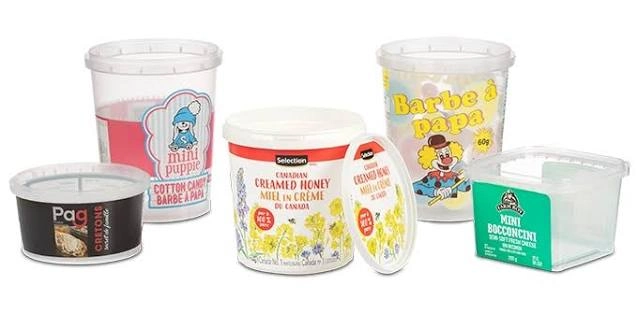
Food packaging has evolved far beyond basic storage. Today, it plays a key role in product safety, shelf appeal, and brand recognition. Whether it is sweets, takeaway meals, dairy products, or ready-to-eat snacks, the container speaks before the product does.
Two common options in the market are the IML plastic food container and the traditional plastic food container with single-colour printing. Both are widely used and typically made from PP5, a food-safe, durable material. However, the difference lies in their appearance, how long the print lasts, and how they represent a brand.
This blog explores the real differences between these two packaging types to help businesses make an informed choice.
Why Does Packaging Really Matter?
Packaging is often the first thing customers notice. Before tasting the product, they judge it by its appearance.
Good packaging helps in:
- Creating a strong shelf presence
- Building brand recognition
- Protecting food from contamination
- Communicating product information clearly
- Increasing perceived value
In competitive retail environments, especially in sweets and takeaway segments, visual presentation can directly impact sales. A clean, well-designed container builds trust. A faded or dull container can reduce perceived quality.
This is where the choice between an IML plastic container and a standard printed plastic container becomes important.
Getting to Know IML Plastic Food Containers
An IML plastic food container uses In-Mold Labeling technology. In this process, a pre-printed label is placed inside the mold before the molten plastic is injected. During manufacturing, the label fuses permanently with the container body.
This means the design becomes part of the container itself rather than something added later.
Most IML containers are made from PP5, which offers:
- Food safety compliance
- Heat resistance
- Strength and impact resistance
- Recyclability
Common types include:
- IML plastic round container
- IML disposable plastic food container
- IML plastic sweet box
Because the design is integrated into the structure, it does not peel, fade, or scratch easily. The finish is smooth, seamless, and premium-looking.
How IML Labels Are Produced Using an 8-Colour Heidelberg Machine
To really understand the quality of an IML plastic food container, you need to see how the label is made before it becomes part of the container.
The process starts with special plastic sheets printed on an advanced 8-colour Heidelberg offset printing machine. This machine prints the design layer by layer. Each colour is added separately, but everything is perfectly aligned so the final image looks sharp and clean.
Because of this precise printing process:
- Logos look clear and well-defined
- Brand colours stay consistent
- Small text remains easy to read
- Colour transitions appear smooth
Once the printing is complete, the sheets are dried and given a protective coating. After that, they are cut into the exact shape needed for the container. This cutting step is very important because the label must fit perfectly inside the mold.
Next comes the molding stage. The printed label is placed inside the mold, and molten PP5 plastic is injected into it. Heat and pressure cause the label to bond permanently to the container wall.
The final result is not a container with a sticker on it. The design becomes part of the container itself.
That is why IML plastic food containers do not face problems like peeling or fading. The print is built into the structure, which keeps the container looking fresh and professional even after handling, stacking, or refrigeration.
What’s Behind Normal Plastic Food Containers with Single-Colour Printing?
Traditional plastic food containers are also commonly made from PP5 material. The container itself is strong and safe for food use.
However, the difference lies in the printing method.
In single-colour printed containers:
- The container is molded first.
- The design or logo is printed afterward.
- The print sits on the surface.
This method is simple and cost-effective. It works well for basic branding needs.
However, since the print remains external, it may:
- Fade over time
- Scratch during handling
- Peel in some cases
- Looks dull after repeated use
These containers are widely used for budget-friendly packaging, especially in bulk takeaway or simple food service applications.
How Durable Are IML Containers vs. Traditional Plastic?
When comparing durability, it is important to distinguish between material durability and print durability.
Both IML and normal plastic containers are usually made from PP5 plastic, which offers:
- Good structural strength
- Resistance to cracking
- Heat tolerance
- Suitability for hot and cold foods
The real difference is in the decoration.
IML Plastic Food Container Durability:
- The label is fused into the container wall
- Scratch-resistant surface
- Resistant to moisture and oil
- Suitable for freezing and refrigeration
- Maintains design clarity over time
Normal Single-Colour Printed Container Durability:
- Surface-level printing
- Print can fade with washing or friction
- More vulnerable to scratches
- May lose sharpness after long-term use
For businesses that want long-term brand visibility, IML offers stronger print protection.
What Makes IML Designs Stand Out?
Visual appeal is where IML truly shines.
An IML plastic container allows:
- Multi-colour printing
- High-resolution graphics
- Full wrap-around designs
- Detailed logos and patterns
- Glossy or matte finish options
In contrast, single-coloured printed plastic containers are limited to:
- One colour design
- Basic logo printing
- Minimal graphic detailing
In retail environments, especially for sweets and premium takeaway products, vibrant packaging attracts attention. An IML plastic sweet box can immediately stand out on shelves thanks to its rich, professional finish.
The smooth integration of design gives IML packaging a clean and refined appearance.
Personalizing Your Packaging: Branding with IML
Branding is not just about printing a logo. It is about creating recognition and consistency.
With IML plastic containers, brands can:
- Add detailed artwork
- Print nutritional information clearly
- Use seasonal or promotional designs
- Maintain consistent brand colours
- Enhance product storytelling through visuals
Since the label is embedded, the design remains intact throughout the product’s life cycle.
Single-colour printed containers work well for:
- Small food businesses
- Local vendors
- Bulk catering services
- Simple brand identification
However, for brands aiming for strong retail presence, IML provides more creative flexibility.
Is IML Worth the Extra Investment?
Cost is often a deciding factor.
Single-colour printed plastic containers are generally more affordable upfront. They require simpler production methods and lower printing complexity.
IML plastic food containers may involve:
- Higher mold precision
- Advanced printing process
- Initial design setup cost
However, businesses often consider the long-term value:
- Better brand image
- Longer-lasting print
- Premium shelf appearance
- Reduced reprinting issues
For companies targeting mid to high-end markets, the investment in IML packaging often supports brand positioning.
For price-sensitive segments, traditional containers remain practical and economical.
Where IML Food Containers Shine: Best Uses
IML containers are commonly used in:
- Premium sweets packaging
- Dairy products
- Ice cream tubs
- Ready-to-eat meals
- Branded takeaway packaging
An IML disposable plastic food container is ideal for businesses seeking attractive packaging without compromising hygiene or safety.
Normal plastic containers are suitable for:
- Street food vendors
- Bulk meal distribution
- Budget takeaway services
- Temporary food storage
The right choice depends on target audience, product positioning, and branding goals.
Conclusion
Both IML plastic food containers and traditional single-colour printed plastic food containers serve important roles in the food packaging industry. Since both are commonly made from PP5 plastic, they offer similar structural strength and food safety.
The main difference lies in the labelling and visual presentation. IML containers provide stronger branding, better print durability, and a refined appearance. Traditional printed containers offer cost efficiency and simplicity.
Businesses must evaluate their brand goals, target market, and budget before deciding which option fits best. Companies like Millennium World support brands with reliable packaging solutions, helping them choose containers that align with their product positioning and long-term growth strategy.
FAQs
1. What is PP5 plastic, and is it safe for food packaging?
PP5 stands for Polypropylene #5. It is widely used in food containers because it is heat-resistant, durable, and considered safe for storing both hot and cold food items.
2. What is the difference between an IML plastic container and a normal printed plastic container?
An IML plastic container has its label fused into the container during molding. A normal plastic container has printing applied after production, which may fade or scratch over time.
3. Can IML plastic food containers be used for hot and frozen food?
Yes, most IML plastic food containers are made from PP5 material, which can handle temperature variations, making them suitable for hot fillings and frozen storage.
4. Are IML containers more expensive than single-colour printed containers?
IML containers usually have a higher initial cost due to advanced printing and molding processes. However, they offer better durability and stronger branding value.
5. Are IML plastic containers recyclable?
Yes, since they are typically made from polypropylene (PP5), many IML containers are recyclable depending on local recycling facilities.
Millennium World
Millennium World is India's trusted disposable food packaging supplier, helping restaurants, cloud kitchens, and food brands with food-grade containers, custom printing, and bulk wholesale programs across pan-India delivery.